
Healthy Pasta for Kids: Khapli vs. Maida — The Science Behind Energy & Digestion
- Sana Firdous
- Mar 25
- 7 min read


The truth about Maida vs. Khapli wheat — and how to find the best wheat pasta for your family's energy and gut health
IN THIS ARTICLE
The Problem with "Healthy" Pasta for Kids
Pasta is one of the most popular meals for kids — quick to prepare, easy to love, and endlessly versatile. Many parents search for the healthiest pasta for kids, assuming supermarket options are wholesome and energy-giving. But if your child is complaining of tiredness after lunch, or seems hungry again an hour after dinner, your choice of pasta for kids could be the culprit.
Most supermarket pasta — even those labelled as "healthy pasta for kids" — is made from Maida, a highly refined flour that behaves very differently in the body compared to whole, ancient grains. The simple switch to Khapli wheat pasta can change how your child feels within days. Here's what the science says about why Khapli is the best pasta for kids.
Here's the science behind why — and exactly what to look for when choosing the healthiest pasta for kids.
Glycemic Index Explained: Your Energy Rollercoaster
The Glycemic Index (GI) measures how quickly a food raises blood sugar levels after eating. It's scored on a scale of 0–100, where higher scores mean faster sugar spikes — and faster crashes.
For kids especially, stable blood sugar is critical. Rapid spikes and crashes affect concentration, mood, and energy levels throughout the school day. A low-GI pasta digests slowly, releasing energy gradually — keeping kids fuller, calmer, and more focused for longer.
Quick GI Guide: Low GI (55 and below) = slow, steady energy. Medium GI (56–69) = moderate. High GI (70+) = rapid spike and crash. The best wheat pasta for kids should always aim for low GI
Why Maida Isn't the Healthiest Pasta for Kids — Energy Crashes Explained
While Maida-based pasta might appear convenient and affordable, it's not among the healthiest pasta for kids for one critical reason: its dramatic impact on blood sugar and energy levels. Let's explore what refining does to wheat, and why it matters for your child's afternoon focus and evening mood.
Maida is refined wheat flour that has been stripped of its bran and germ during processing — the two most nutritious parts of the grain. What remains is essentially pure starch: calorie-dense but nutritionally hollow.
What Refining Does to Wheat
When the bran and germ are removed, fiber, B vitamins, iron, and essential fatty acids are lost. The remaining starch is rapidly broken down into glucose, flooding the bloodstream with sugar almost immediately after eating.
Pasta made from Maida typically carries a Glycemic Index of 69–74 — and often higher in processed products (Henry et al., 2021; Idoko et al., 2024). For children, this pattern repeated daily adds up to a serious impact on energy regulation, focus, and appetite control.

The Crash Cycle in Kids
This is why many parents are switching to healthier pasta for kids. After a Maida-based pasta meal, a child's blood sugar spikes rapidly — then drops just as fast. The result is why Maida isn't the best choice when looking for healthy pasta for kids. It's familiar to most parents:
✗ Sudden tiredness or irritability 60–90 minutes after eating
✗ Hunger returning quickly despite a full meal
✗ Difficulty concentrating during afternoon school hours
✗ Cravings for more carbohydrates or sugary snacks
✗ Bloating or feelings of heaviness after eating
Khapli Wheat: Why It's the Best Wheat Pasta for Sustained Energy
When parents ask 'What is the healthiest pasta for kids?', the answer increasingly points to ancient grains like Khapli. Here's why Khapli wheat is emerging as the best pasta for kids who need sustained energy, better digestion, and long-term nutritional support.
Khapli wheat (also called emmer wheat) is an ancient grain that has been cultivated for thousands of years — long before modern hybridisation changed the nature of wheat. Unlike Maida, Khapli is a whole grain that retains its bran, germ, and endosperm intact.
The Nutritional Difference
The intact structure of Khapli wheat — combined with its unique carbohydrate composition and significantly higher fiber content — means it's digested far more slowly. Studies show that replacing refined flour with ancient native grains can reduce the Glycemic Index from around 73 down to 48 (Pour et al., 2024). Some ancient grains post GI values as low as 45 (Idoko et al., 2024).
Traditional grain preparations take this even further: an atta-mix roti has been observed with a GI as low as 27.3, compared to 45.1 for standard whole wheat (Radhika et al., 2010) — demonstrating the power of ancient, minimally-processed grains.
"Switching from refined Maida pasta to Khapli wheat pasta isn't just a nutritional upgrade — it's a fundamentally different experience of energy for your child's body."
What Kids Actually Feel With Khapli Pasta
✓Long-lasting energy that carries through the afternoon
✓Greater fullness — no "hungry again in an hour" complaints
✓Better mood and concentration after meals
✓Improved blood sugar regulation over time
✓Lighter, less bloated feeling after eating
Gut Health: The Hidden Reason to Choose Better Pasta for Kids
Energy levels are just one reason Khapli wheat pasta is the best healthy pasta for kids. Another equally important factor is gut health. Your child's gut microbiome — the community of trillions of bacteria living in the digestive tract — plays a central role in immunity, mood, and overall health. And the type of carbohydrates they eat daily directly shapes that microbiome.
How Refined Pasta Harms Gut Health
Refined wheat products like Maida pasta are largely devoid of dietary fiber. Without fiber, the gut microbiota loses its primary fuel source. Research shows that the loss of food microstructure caused by heavy processing accelerates digestion, bypasses the colon's beneficial bacteria, and may actively reduce microbial diversity over time (Bajka et al., 2022; Seal et al., 2021). The result for many children: bloating, irregular digestion, and a gut that's not thriving.
Khapli as a Prebiotic Powerhouse
Ancient grains like Khapli are rich in dietary fiber, soluble fibres, and resistant starch — types of carbohydrates that the body cannot digest, but that beneficial gut bacteria feast on (Aweya et al., 2025). This process, called fermentation, produces short-chain fatty acids that reduce inflammation, strengthen the gut lining, and support a healthy immune response (Seal et al., 2021).
The gut-brain connection: A healthy gut microbiome doesn't just help digestion — it also produces neurotransmitters like serotonin that influence mood and focus. Feeding kids the right fiber is feeding their brain too.
Is Khapli the Best Gluten-Friendly Pasta for Kids with Wheat Sensitivity?
One of the most common questions parents ask: "Is Khapli wheat pasta gluten-free?"
The short answer is no — Khapli wheat does contain gluten. However, the picture is more nuanced than that, and it's important for families managing gluten sensitivity.
While the total gluten content of ancient wheats can be comparable to or even higher than modern wheats (Brouns et al., 2022), research suggests that the structure of gluten in ancient grains is meaningfully different. Studies on einkorn — another ancient emmer relative — indicate that this structural difference may result in fewer immunostimulatory peptides: the specific gluten fragments associated with triggering inflammatory reactions (Gazza et al., 2023).
Practically, this means that many individuals with non-celiac wheat sensitivity — a condition characterised by digestive discomfort without the autoimmune response of celiac disease — report significantly better tolerability with Khapli-based products compared to refined Maida (Seidita et al., 2022).
Important: If your child has a diagnosed celiac disease or a confirmed wheat allergy, they should not consume Khapli wheat. In these cases, a certified gluten-free pasta (made from rice, chickpea, or lentil flour) is the safest choice. Always consult your paediatrician.
Quick Comparison: Maida Pasta vs. Khapli Wheat Pasta
FACTOR | MAIDA PASTA | KHAPLI WHEAT PASTA |
Glycemic Index | 69–74 (High) | 45–48 (Low) |
Fiber Content | Very Low (bran removed) | High (whole grain) |
Energy Release | Rapid spike → crash | Slow, sustained release |
Gut Health Support | Poor (minimal fiber) | Strong (prebiotic fiber) |
Satiety | Low — hungry sooner | High — longer fullness |
Gluten Structure | Modern, highly modified | Ancient, potentially easier to digest |
Gluten-Free? | No | No (but better tolerated by many with NCWS) |
Nutrient Density | Low (stripped in refining) | High (intact grain nutrition) |
Ready to Make the Switch?
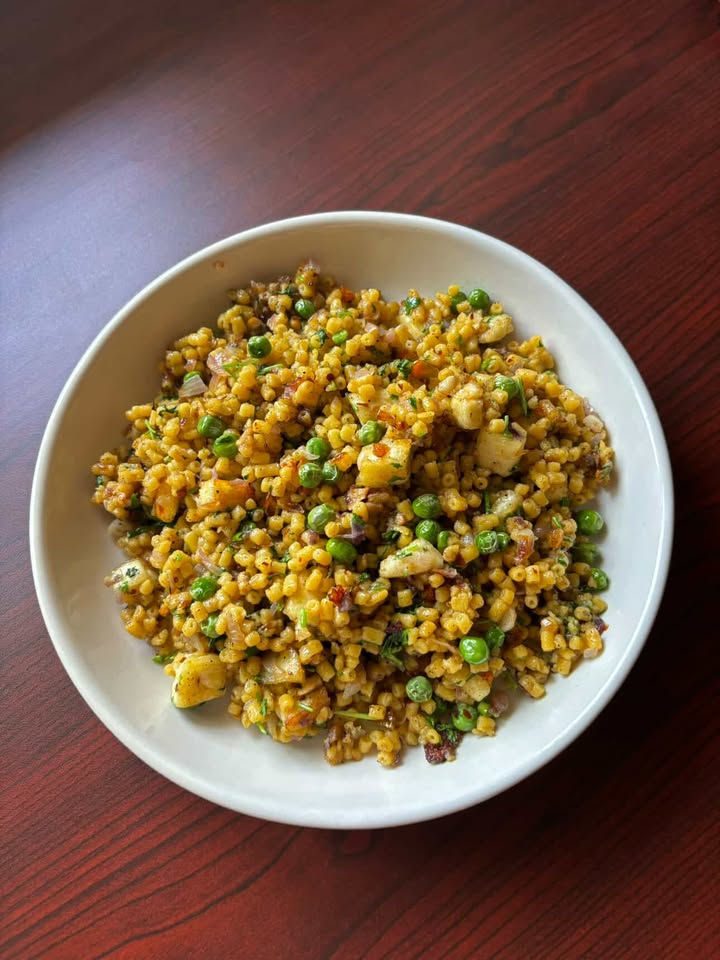
Give your kids the energy they deserve. Try Khapli Pepe Bucato — pasta made from ancient Khapli wheat, crafted for real, lasting energy
Frequently Asked Questions
What is the healthiest pasta for kids?
The healthiest pasta for kids is made from whole, ancient grains like Khapli (emmer) wheat. It has a low glycemic index (around 45–48), high fiber content, and supports gut health — giving kids sustained energy without afternoon crashes. For kids with celiac disease, certified gluten-free pasta made from chickpea or lentil flour is recommended.
What is the best wheat pasta to buy?
The best wheat pasta is made from ancient, minimally-processed grains like Khapli (emmer wheat) rather than refined Maida. Look for pasta where the label says "whole grain" or "ancient grain" — and check that the primary ingredient is not "refined wheat flour" or "maida."
Why does pasta make my child tired after eating?
Khapli wheat pasta is not gluten-free, but its ancient gluten structure is thought to produce fewer inflammatory peptides than modern refined wheat. Many people with non-celiac wheat sensitivity find it far easier to tolerate than Maida-based pasta. For true celiac disease, a certified gluten-free pasta is necessary.
How is Khapli wheat different from regular whole wheat pasta?
Regular whole wheat pasta is made from modern hard wheat varieties that have been selectively bred for yield and gluten strength. Khapli (emmer wheat) is an ancient grain with a different genetic profile, a distinct carbohydrate structure, and a naturally lower glycemic index — making it a step above standard whole wheat pasta nutritionally.
📚 Scientific References
Henry, C.J. et al. (2021). Glycaemic index of cereal and cereal-based products. Journal of Nutritional Science.
Idoko, A. et al. (2024). Glycaemic index of ancient and modern wheat varieties. Food Chemistry.
Pour, M. et al. (2024). Impact of native grain substitution on glycaemic response. Nutrients.
Radhika, G. et al. (2010). Glycaemic index of South Indian staple foods. British Journal of Nutrition.
Bajka, B. et al. (2022). The impact of food processing on gut microbiota. Trends in Food Science & Technology.
Seal, C.J. et al. (2021). Whole grain foods and the gut microbiome. Proceedings of the Nutrition Society.
Aweya, J.J. et al. (2025). Resistant starch and prebiotic fibres in ancient grains. Food & Function.
Brouns, F. et al. (2022). Wheat gluten in ancient vs modern varieties. Frontiers in Nutrition.
Gazza, L. et al. (2023). Immunostimulatory peptides in einkorn and emmer wheat. Food Chemistry.
Seidita, A. et al. (2022). Non-celiac wheat sensitivity and ancient grain tolerability. Nutrients.


Comments